Introduction: The Shift from Content Creation to Content Intelligence
The way businesses in the United States create and deliver content is undergoing a fundamental transformation. What was once a manual, time-intensive process is now evolving into an intelligent, automated system powered by artificial intelligence. Content is no longer just about creation—it is about delivering the right message, in the right format, to the right audience, at the right time.
As digital competition intensifies, businesses are expected to communicate faster, personalize interactions, and maintain consistency across multiple channels. Traditional workflows are struggling to meet these expectations. Delays in production, rising costs, and fragmented tools often limit the ability of organizations to scale effectively.
This is where AI-driven platforms like DigiiQ.ai are making a measurable difference. By transforming simple text into high-impact videos, voice content, and digital avatars, businesses can streamline operations and elevate communication strategies. In a fast-moving U.S. market, this shift from content creation to content intelligence is becoming essential for sustainable growth.
The Evolution of Video in Modern Business Communication
Video has become the most powerful communication medium across industries. From marketing campaigns to product demonstrations and internal training, businesses rely heavily on video to convey complex information in a simple and engaging way.
However, traditional video production has always been a bottleneck. It involves scripting, filming, editing, and multiple revisions, which can take days or even weeks. This delay often prevents companies from responding quickly to market trends or customer needs.
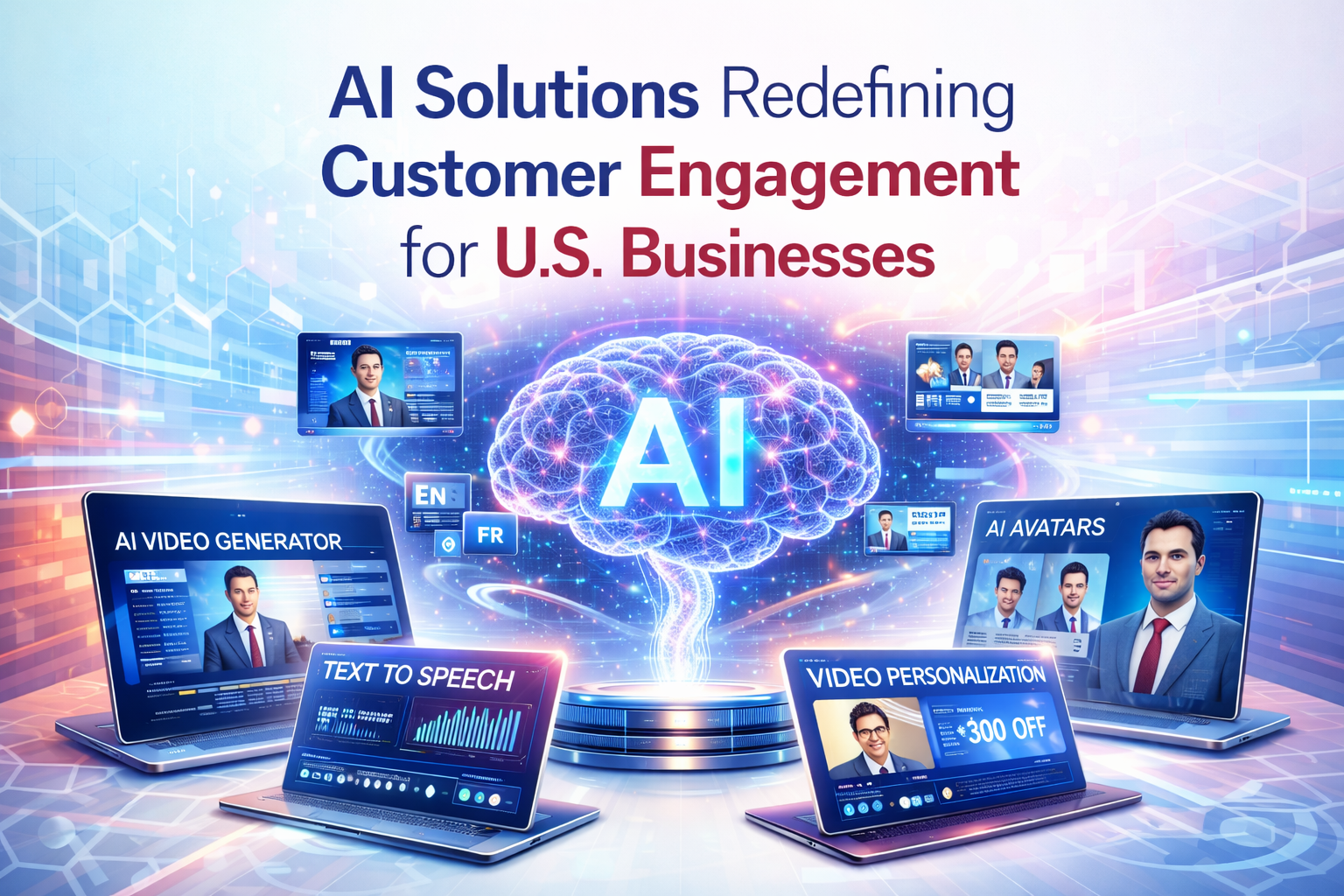
AI has completely redefined this process. With tools like an AI Video Generator, businesses can instantly convert scripts into professional-quality videos. By integrating AI Video Generator, organizations can produce consistent and scalable video content without relying on production teams or expensive equipment.
This shift enables marketing teams to launch campaigns faster, sales teams to deliver compelling pitches, and product teams to create educational content with minimal effort. The result is a more agile and responsive communication strategy.
Voice Technology as a Core Communication Layer
While video captures attention, voice enhances understanding and accessibility. Audio content is increasingly being used in training modules, customer support systems, and digital platforms where users prefer listening over reading.
Traditional voice production requires hiring voice artists, recording sessions, and editing, which can be both time-consuming and costly. AI-powered voice technology eliminates these limitations by generating natural, human-like speech instantly.
By leveraging Text to Speech, businesses can convert written content into high-quality audio across different tones, languages, and styles. This allows organizations to create voiceovers for videos, interactive applications, and automated customer communication systems.
The ability to produce audio content at scale ensures that businesses can deliver consistent messaging across all touchpoints while improving user experience.
Personalization: The New Standard for Customer Engagement
In the U.S. market, personalization is no longer optional. Customers expect brands to understand their needs and provide tailored communication that feels relevant and meaningful. Generic content often fails to capture attention in an environment saturated with information.
AI enables businesses to move beyond one-size-fits-all messaging. Instead of creating a single version of content, companies can generate multiple personalized variations for different audience segments.
With Video Personalization, organizations can create customized videos that address specific customer needs, preferences, and behaviors. This approach significantly improves engagement, as customers are more likely to respond to content that speaks directly to them.
For example, sales teams can send personalized video messages to prospects, while marketing teams can tailor campaigns based on user data. This level of personalization transforms how businesses interact with their audience, driving higher conversion rates and stronger relationships.
AI Avatars: Bringing Human-Like Interaction to Digital Communication
Human interaction remains one of the most effective ways to build trust and engagement. However, scaling human communication across large audiences is a major challenge for businesses.
AI avatars provide a powerful solution by enabling companies to create digital presenters that deliver messages in a natural and consistent manner. These avatars can be used across various applications, including marketing, training, customer support, and internal communication.
By integrating AI Avatars, businesses can create lifelike digital representatives that communicate information clearly and professionally. This eliminates the need for repeated filming and ensures that content remains consistent across all platforms.
AI avatars also enable multilingual communication, allowing businesses to reach diverse audiences without additional production efforts. This capability is particularly valuable in the U.S., where companies must cater to a wide range of cultural and linguistic preferences.
Building a Unified Content Ecosystem with AI
One of the biggest challenges organizations face is managing multiple tools and workflows for content creation. Different teams often use separate platforms for video, audio, design, and distribution, leading to inefficiencies and inconsistencies.
AI-driven platforms unify these processes into a single ecosystem. Businesses can create, edit, and distribute content from one centralized system, reducing complexity and improving collaboration.
DigiiQ.ai brings together video generation, voice technology, personalization, and avatars into a cohesive platform. This integration allows organizations to streamline workflows, maintain brand consistency, and accelerate content production.
Instead of managing multiple tools, businesses can focus on strategy and creativity while AI handles execution.
Scaling Content Across Channels and Platforms
Modern businesses operate across a wide range of digital channels, including websites, social media, email campaigns, and mobile applications. Each platform requires content in different formats, making scalability a major challenge.
AI enables businesses to adapt content for multiple channels automatically. A single input can be transformed into various formats, ensuring that messaging remains consistent while reaching a broader audience.
For example, a product description can be converted into a video, enhanced with voice narration, personalized for different segments, and delivered through multiple platforms. This multi-format approach maximizes the impact of content while reducing production effort.
Reducing Costs and Increasing Efficiency with AI
Content production has traditionally been one of the most resource-intensive aspects of business operations. Hiring creative teams, managing production processes, and outsourcing tasks can significantly increase costs.
AI reduces these expenses by automating repetitive tasks and minimizing the need for large teams. Businesses can produce more content with fewer resources, improving efficiency and return on investment.
At the same time, AI ensures consistency and accuracy, reducing errors and maintaining brand integrity across all communication channels. This combination of cost savings and efficiency makes AI an essential tool for modern businesses.
The Future of AI-Powered Communication in the U.S.
As AI technology continues to evolve, the future of business communication in the United States will become even more dynamic and personalized. Companies will be able to generate real-time content, adapt messaging based on user behavior, and deliver immersive digital experiences.
AI will not replace human creativity but will enhance it by removing repetitive tasks and enabling teams to focus on strategic initiatives. Businesses that adopt AI early will gain a competitive advantage, positioning themselves as leaders in their industries.
Conclusion: Empowering Growth with DigiiQ.ai
The transformation of content creation through AI is reshaping how businesses communicate, engage, and grow. By leveraging technologies such as AI Video Generator, Text to Speech, Video Personalization, and AI Avatars, organizations can create high-quality content at scale while maintaining efficiency and consistency.
DigiiQ.ai empowers businesses to embrace this transformation with a unified platform designed for modern communication needs. As the demand for smarter, faster, and more personalized content continues to rise, companies that adopt AI-driven solutions will be better equipped to succeed in the evolving digital landscape.